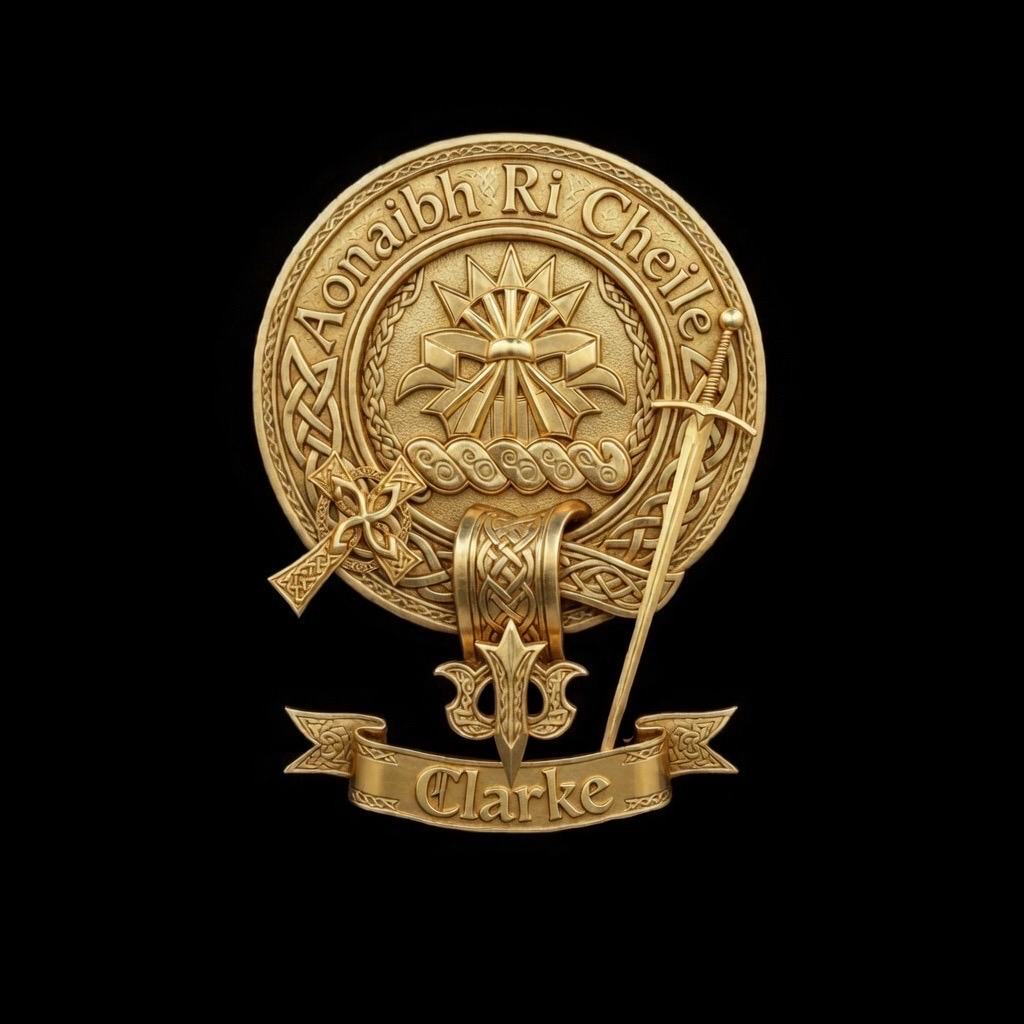
Clan Clarke: A Sept of Clan Cameron in the Scottish Highlands
The story of Clan Clarke is intertwined with the powerful Highland clan system that shaped Scottish society for centuries. Although not one of the great independent clans of Scotland, Clan Clarke existed as a sept of the influential Clan Cameron, a clan whose reputation for loyalty, fierce independence, and battlefield courage became legendary throughout the Highlands. As a sept, the Clarkes were bound by allegiance to the Camerons, particularly to the chiefs of Lochiel, and were expected to answer the call in times of war, conflict, or clan dispute. Like many Highland families, the Clarkes lived a rugged life defined by the landscape of the Highlands, their obligations to their clan chief, and the rhythms of farming, livestock, and community survival. This article explores the history, lifestyle, warfare, and cultural identity of Clan Clarke, focusing on their role within Clan Cameron and their lives in the Scottish Highlands.
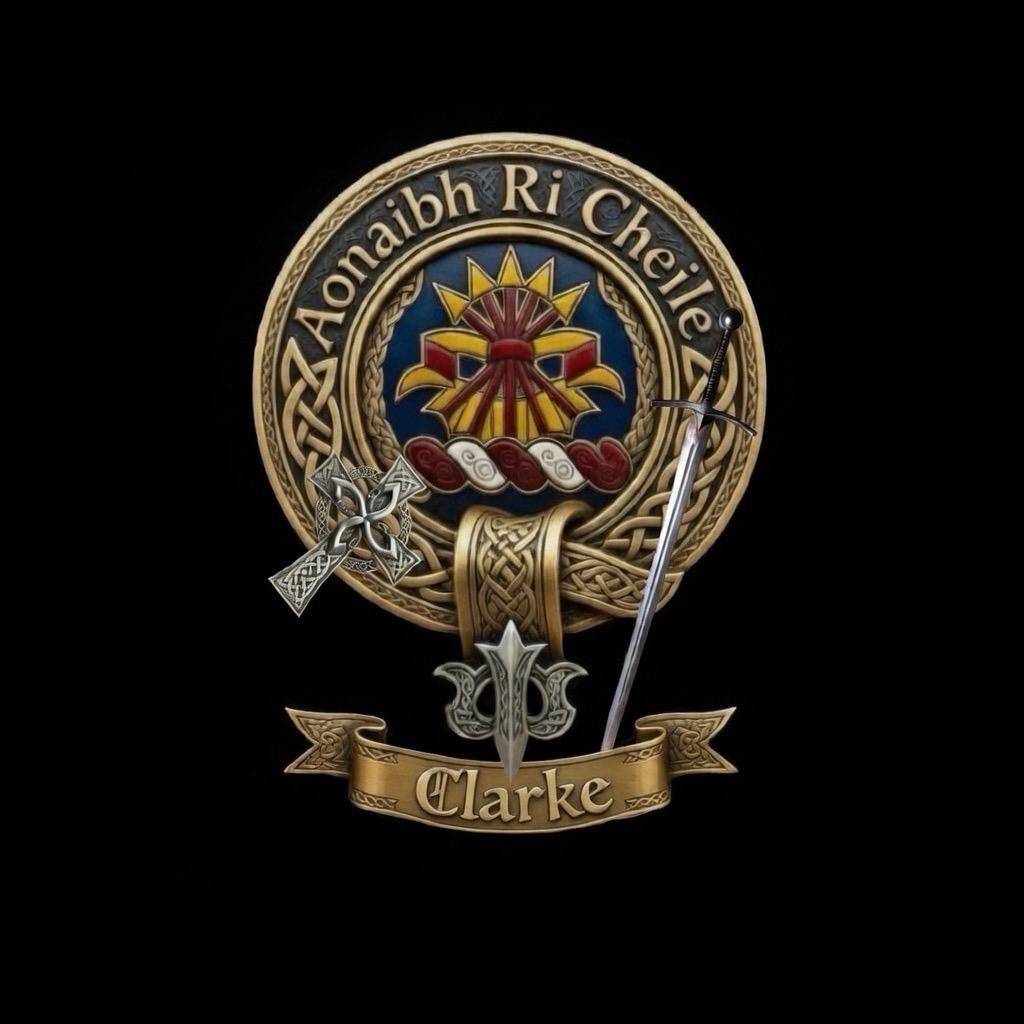
Origins of Clan Clarke
The surname Clarke (or Clark) originates from the Old English word clerec or cleric, referring to a scribe, scholar, or church official. Over time, the name spread across Britain and appeared in many regions of Scotland. Because of this widespread origin, Clarkes were associated with multiple Scottish clans, including Cameron, Macpherson, and Stewart.
Within the Highlands, however, a group of Clarkes became closely associated with Clan Cameron, one of the most formidable Highland clans centered in Lochaber, near Ben Nevis and Loch Lochy.
As a sept of Clan Cameron, Clan Clarke pledged loyalty to the Cameron chief and became part of the broader Cameron kinship network. In the Highland clan system, a sept functioned much like an extended family branch that adopted the tartan, allegiance, and military obligations of the parent clan.
The Lands of Clan Cameron and the Clarke Sept
The territory controlled by Clan Cameron was primarily located in the western Highlands of Scotland, particularly in the region of Lochaber. This area included rugged mountains, glens, rivers, and lochs that shaped daily life.
Important locations tied to the Camerons and their septs included:
- Loch Lochy
- Loch Arkaig
- Ben Nevis
- Glen Nevis
- Achnacarry (seat of the Cameron chiefs)
For the Clarke sept, life in these lands meant living in small Highland settlements called clachans, often made up of a handful of families sharing agricultural work and livestock responsibilities. The Highlands were both beautiful and unforgiving, demanding resilience and cooperation among clan members.
The Highland Clan System
To understand Clan Clarke, it is important to understand the clan structure they lived within. Scottish Highland clans were built on a hierarchy:
- Clan Chief – the leader and landholder
- Chieftains – relatives or trusted leaders managing territories
- Septs – allied families like the Clarkes
- Clansmen – the general population of farmers, craftsmen, and warriors
Members of septs such as Clan Clarke owed the chief:
- Military service
- Rent or agricultural production
- Loyalty in disputes and warfare
In return, the chief provided:
- Protection
- Access to land
- Representation within Highland society
Clan Cameron Crest – Meaning and Symbolism
The Crest of Clan Cameron, used by the chiefs of Clan Cameron of Lochiel and their sept families such as Clarke, is one of the most recognizable Highland clan crests. It reflects the clan’s core values of unity, loyalty, and strength in battle.
Description of the Crest
The crest traditionally shows:
- An armored arm holding five arrows bound together
- A surrounding belt and buckle (in clan badges)
- The Gaelic motto “Aonaibh Ri Cheile”
Each element has a specific meaning rooted in Highland culture and clan loyalty.
The Five Arrows
The five arrows tied together are the most important symbol of the Cameron crest. They represent unity and collective strength. A single arrow can easily be broken, but five arrows bound together cannot. This symbolizes the idea that clan members must stand together to remain strong.
For Clan Cameron, the arrows represent:
- unity among the clan
- loyalty among sept families
- strength through cooperation
- solidarity in battle
This symbolism also reflects the Cameron motto.
The Arm in Armor
The arm holding the arrows represents:
- readiness for battle
- the warrior heritage of the Highland clans
- the duty of the clan chief to defend his people
The armor reflects the martial reputation of the Camerons, who were known as fierce Highland fighters, particularly during the Jacobite uprisings.
The Belt and Buckle
In clan badges, the crest is surrounded by a belt and buckle. This element symbolizes:
- loyalty to the clan chief
- the binding relationship between clansmen and leadership
Only the chief technically owns the crest, but clan members wear the badge with the belt to show allegiance. This mutual relationship formed the backbone of Highland life. The Clarke sept lived through transformations as farmers, warriors, drovers, and craftsmen, contributing to the strength of Clan Cameron while preserving their own family identity within the clan structure.
The Celtic Cross and Claymore Sword
The Clarke's applied their own amendments to the crest.
-
The Celtic cross with knot and circle.
The Cross is their faith. The circle, keep small, trust, and fulfill the plan. - The Claymore Sword shown as strength
The Motto and Crest: “Aonaibh Ri Cheile”
Both Clan Cameron and its sept families, including Clarke, are associated with the Gaelic motto:
“Aonaibh Ri Cheile.”
Meaning of the Motto:
The phrase translates roughly to: “Unite” or “Let us unite.”
This motto represents a fundamental principle of Highland clan culture: unity among clan members in times of peace and war.
For the Camerons and their septs, it symbolized:
- loyalty to the clan chief
- unity among allied families
- strength through cooperation
- collective defense of clan lands
For the Clarke sept, the motto was a reminder that although they were not the ruling clan, they were an integral part of the Cameron kinship network.
Timeline of Clan Clarke within Clan Cameron
Although the Clarkes rarely appear as a standalone clan in historical records, their story emerges through the military and political actions of Clan Cameron.
Early Clan Development (1200s–1400s)
During this period, Clan Cameron established itself in Lochaber, becoming one of the dominant Highland clans. Septs like the Clarkes likely joined the Camerons during this era as families settled into Cameron-controlled territories and swore allegiance to the chief of Lochiel. Life revolved around:
- cattle grazing
- subsistence farming
- clan defense
The Clan Feud Era (1400s–1600s)
The Highlands were notorious for inter-clan conflicts, and Clan Cameron was frequently involved in disputes with neighboring clans, particularly the Clan Mackintosh and Clan MacDonald. Members of Clan Clarke, as Camerons’ followers, would have been called to fight during these battles. These battles shaped the political landscape of the Highlands. Notable conflicts included:
- Battle of Drumlui (1337)
- Battle of Invernahoven (1370)
- Battle of the North Inch (1396)
The Battle of Mulroy (1688)
One of the most famous conflicts involving Clan Cameron was the Battle of Mulroy. This battle was fought between:
- Clan Cameron
- Clan Mackintosh and their allies
As a sept of Clan Cameron, Clan Clarke members would have been expected to fight under the Cameron banner. The Camerons ultimately won the battle, reinforcing their power in the region.
The Jacobite Risings (1689–1746)
Clan Cameron became one of the most loyal supporters of the Jacobite cause, which sought to restore the Stuart monarchy. This loyalty meant that Cameron septs—including the Clarkes—were repeatedly called to arms. Key Jacobite events included:
Jacobite Rising of 1689
Clan Cameron supported Bonnie Dundee in his rebellion against the new monarchs William and Mary.
Jacobite Rising of 1715
Many Camerons joined the uprising supporting James Francis Edward Stuart.
Jacobite Rising of 1745
This was the most famous Jacobite rebellion, led by Prince Charles Edward Stuart (Bonnie Prince Charlie). The Camerons were among the first clans to join him.
Battle of Culloden (1746)
Clan Cameron fought at the Battle of Culloden, the final confrontation of the Jacobite Rising. Many Cameron clansmen died in the battle, and the aftermath was devastating for Highland culture. After the Battle of Culloden:
- clan power was dismantled
- tartans were banned
- weapons were confiscated
- traditional clan structures were weakened
Members of Clan Clarke would have experienced the same hardships as their Cameron kin.
Weapons and Battle Gear of Clan Clarke Warriors
As part of Clan Cameron, Clarke warriors would have used the traditional weapons of the Highland warrior.
Claymore Sword
The Highland claymore was the iconic two-handed sword of Scottish warriors, used for powerful sweeping strikes. The features of the claymore sword included:
- a long blade (often over 40 inches)
- a crossguard with downward arms
- a large pommel
Basket-Hilt Broadsword
Later Highland warriors favored the basket-hilt broadsword, which provided better hand protection. This sword became the defining weapon of the 17th and 18th centuries.
Targe Shield
The targe was a round Highland shield made of wood and leather. Often decorated with intricate Celtic designs, it was used to block enemy strikes while advancing with the sword.
Dirks and Sgian Dubh
Highlanders also carried smaller blades, such as the Dirk and Sgian Dubh. The Dirk is a long dagger, used for close combat, while the Sgian Dubh is a small knife, used both as a weapon and utility tool, typically worn in the sock.
Muskets
By the 18th century, firearms were becoming common. Highland warriors sometimes used muskets, though the famous Highland charge relied heavily on swords.
Daily Life in the Highlands
Life for Clan Clarke families revolved around survival, community, and land. Most members were not warriors full-time but farmers, herders, or craftsmen.
Farming and Livestock
The Highlands were not ideal for large-scale farming due to rocky soil and harsh weather. Instead, people practiced crofting, a small-scale agricultural system. Common crops included:
- oats
- barley
- kale
- root vegetables
Livestock was the most important economic asset. Animals on Highland farms included:
- Highland cattle
- sheep
- goats
Cattle were especially valuable because they could be driven to market in the Lowlands.
Highland Cattle Culture
Cattle played such a central role that cattle raiding became part of Highland warfare. These raids were often organized by clans and served both economic and political purposes. Clan Clarke members likely participated in these activities alongside Camerons.
Homes and Settlements
Villages consisted of small clusters of homes surrounded by shared farmland. Highland homes were called blackhouses. These structures featured:
- thick stone walls
- thatched roofs
- central hearth fires
- animals, sometimes housed indoors during winter
Food and Diet
Meat was often reserved for special occasions. Typical Highland meals included:
- oat porridge
- bannocks (oatcakes)
- smoked fish
- venison
- dairy products
Wayfarers and Travelers
The Highlands were not isolated from the wider world. Many individuals traveled between regions as:
- traders
- drovers moving cattle
- messengers between clans
Some Clarkes likely became drovers, guiding cattle across Scotland to markets in the Lowlands. These journeys could last weeks and required deep knowledge of Highland paths.
Cultural Traditions
Clan culture included strong traditions, including a rich history of music and storytelling, often focused on themes of loyalty, honor, and their relationship to clan identity.
Music and Storytelling
Gaelic storytelling and music were essential parts of Highland life. Stories were told as a means of preserving history, identity, and community spirit. Music and song, including the playing of bagpipes, were a part of almost every traditional gathering, including:
- celebrations
- clan gatherings
- battle marches
Loyalty and Honor
Clan identity was deeply rooted in loyalty to the chief. Even smaller septs like Clan Clarke shared in the prestige and responsibilities of their parent clan.
The Decline of the Clan System
After the defeat of the Jacobites in 1746, the British government imposed strict controls on Highland society, including:
- the Disarming Act
- the Act of Proscription
- bans on tartan and Highland dress
Later, the Highland Clearances forced many families from their ancestral lands. Many Clarkes likely emigrated during this period to places such as:
- North America
- Australia
- Canada
- Ireland
Legacy of Clan Clarke
Today, Clan Clarke remains part of the extended heritage of Clan Cameron. Although not an independent clan, the Clarkes share the history, battles, and cultural traditions of the Camerons. Descendants of these Highland families can now be found around the world, yet their roots remain tied to the rugged glens of Lochaber. The legacy of Clan Clarke reflects the broader story of the Scottish Highlands:
- loyalty to clan and kin
- survival in a harsh landscape
- courage in battle
- enduring cultural pride
"Aonaibh Ri Cheile"
Clan Clarke may not have been one of the great Highland clans with its own chief and territory, but as a sept of Clan Cameron, its members played a meaningful role in the history of the Scottish Highlands. They lived the life of Highlanders: tending livestock, farming rugged land, answering the call to arms in times of conflict, and upholding the traditions of their clan.
The Clarke's warriors were always counted upon to deliver expectations of glory for their clansmen in providing fulfillment to the greater good of the Clan. From the glens of Lochaber to battlefields like Mulroy and Culloden, the Clarkes stood beside the Camerons as loyal clansmen, which was an unbreakable bond.
Their story represents the resilience and spirit of the Highland people, whose legacy continues to inspire descendants centuries later. Modern day Clarke's: Brothers-John F. Clarke Sr. and his brother James Clarke now deceased. John F. Clarke Sr.'s son, Lt. Col. John F. Clarke Jr. MD, is also deceased and is resting in peace at Arlington National Cemetery. Carried on this lineage of proud warriors, Lt. Col. John F. Clarke Jr. MD raised his sons to keep this lineage of proud honorable people relative today. Thomas Clarke ("TC") and Joseph Clarke ("Joey") carry on the warrior mentality lineage which they continue to demonstrate under current times.
Tom Clarke® is a registered trademark with USPTO and may only be used with permission.